[19th March 2026]
We welcome the recent BBC News article highlighting the impact of pelvic radiotherapy late effects and the urgent need for improved support for those living with Pelvic Radiation Disease (PRD).
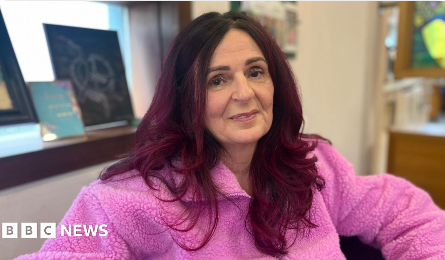
In the article, Trish shares her experience following radiotherapy for anal cancer, describing the challenges many people face once treatment ends. Her experience reflects that of many people living with PRD, she explains:
“During my treatment, my GP was a lifeline, kind and willing to help. But after the treatment ended it became painfully clear that the system wasn’t built to support the complexity of long-term side effects associated with pelvic radiotherapy and I was left to navigate everything alone.” (Quote sourced from BBC News article)
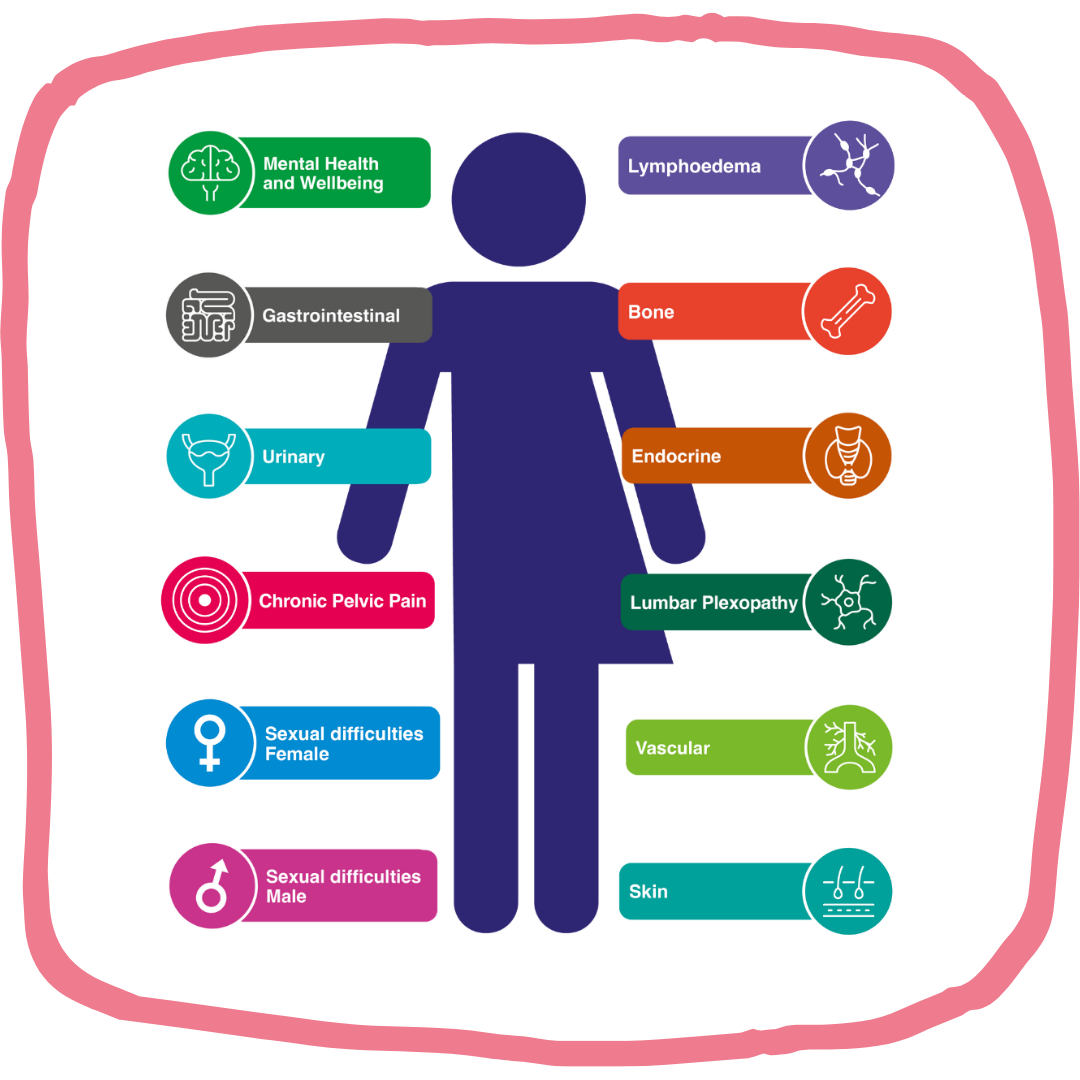 PRD can affect multiple areas of the body but awareness of the condition remains low and access to specialist services is still very limited across the UK.
The article also highlights the need for improved services. As Sarah Quinlan of Radiotherapy UK states:
“We want a well-resourced, multidisciplinary late effects service so patients don’t feel forgotten about after their treatment ends.” (Quote sourced from BBC News article)
At the Pelvic Radiation Disease Association (PRDA), we strongly support this call. Too many people are left without the information, care and coordinated support they need to manage the long-term effects of treatment.
We are committed to raising awareness of PRD, supporting those affected, and advocating for equitable access to specialist late effects services across the UK.
Peer support
- PRD Online Community is a safe and supportive space for people living with PRD to share their experiences, ask questions, and learn from others.
- Chat Together support group where people can share their experience of PRD in a supportive and informal group.
You can read the full BBC News article here:
I’m in agony six years after treatment for anal cancer