[7th May 2026]
A recent BBC article shares the experience of Alastair’s diagnosis and treatment of penile cancer as well as late effects of his treatment. It’s incredibly important to see stories like Alastair’s in the media, helping to raise awareness of both rare cancers and the late effects of treatment. Alastair’s reason for being open about his experience is to encourage others not to ignore symptoms or avoid speaking to a healthcare professional due to embarrassment. We’re very grateful to Alastair for sharing his experience and raising awareness of these important issues.
The article highlights the impact cancer treatment can have on quality of life:
He can’t currently have sex or urinate properly because he has developed lymphoedema as a complication of the surgery and radiotherapy. [Extract from BBC News article]
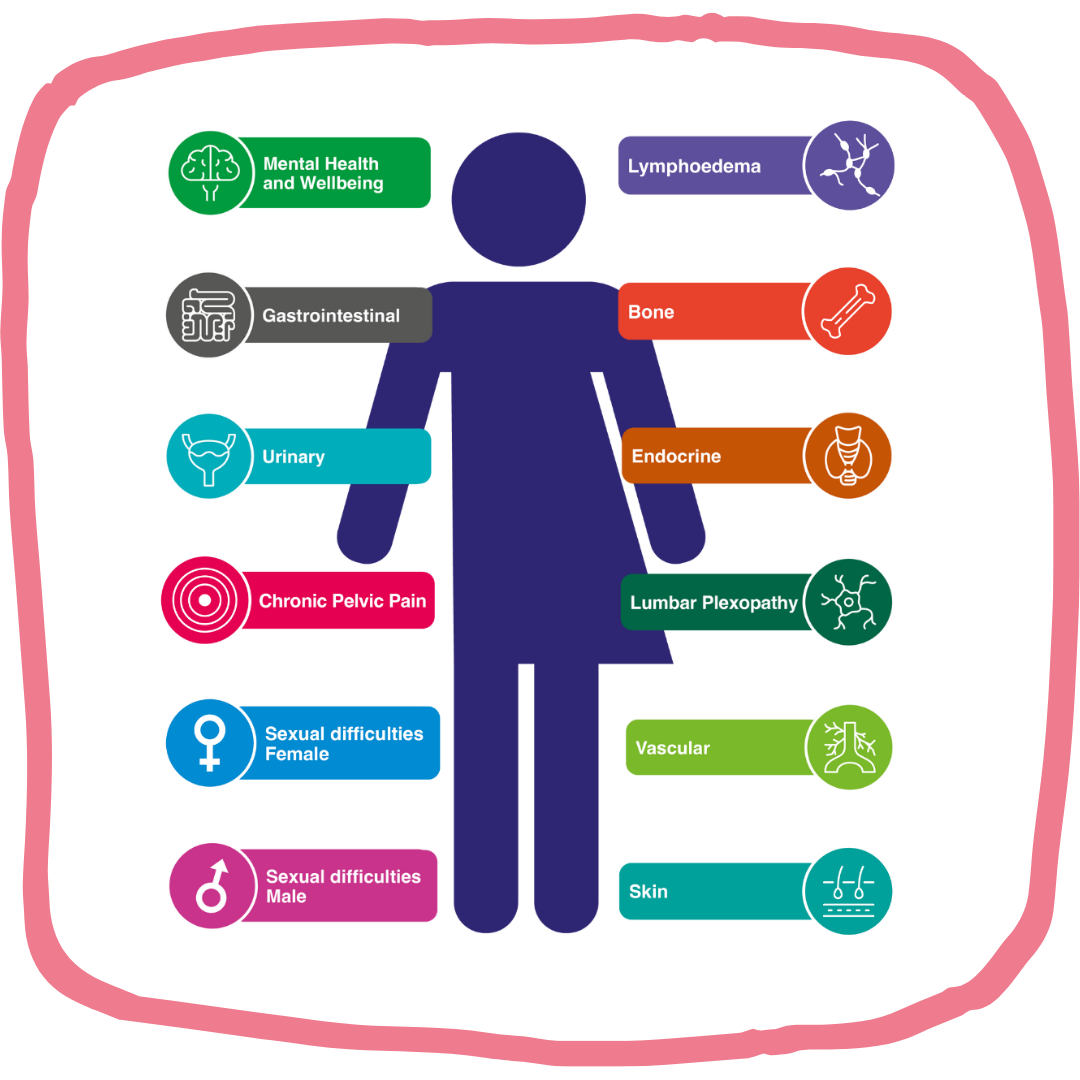 Lymphoedema can be one of the symptoms experienced by people living with Pelvic Radiation Disease (PRD) following radiotherapy treatment.
PRD symptoms can continue or appear months, years or even decades after cancer treatment has ended. PRD can affect many areas of the body.
Who is at risk of PRD?
PRD can affect people who have previously had radiotherapy to the pelvic region to treat their cancer. This includes pelvic radiotherapy for penile cancer as well as cancers of the colon, rectum, anus, prostate, testes, bladder, cervix and womb, but also total body radiotherapy and radiotherapy in the pelvic area for other primary and secondary cancers.
Despite the significant impact these conditions can have, awareness of PRD remains low and access to specialist services is still very limited across the UK.
At PRDA, we are committed to improving awareness, education and access to care for people living with the late effects of pelvic radiotherapy.
We provide resources for both people, including our Pelvic Radiation Disease Best Practice Pathway as well as other resources and support.
Peer support
- PRD Online Community is a safe and supportive space for people living with PRD to share their experiences, ask questions, and learn from others.
- Chat Together support group where people can share their experience of PRD in a supportive and informal group.
You can read the full BBC News article here:
Removing 30% of my penis saved my life – this is why I let the surgery be filmed – BBC News